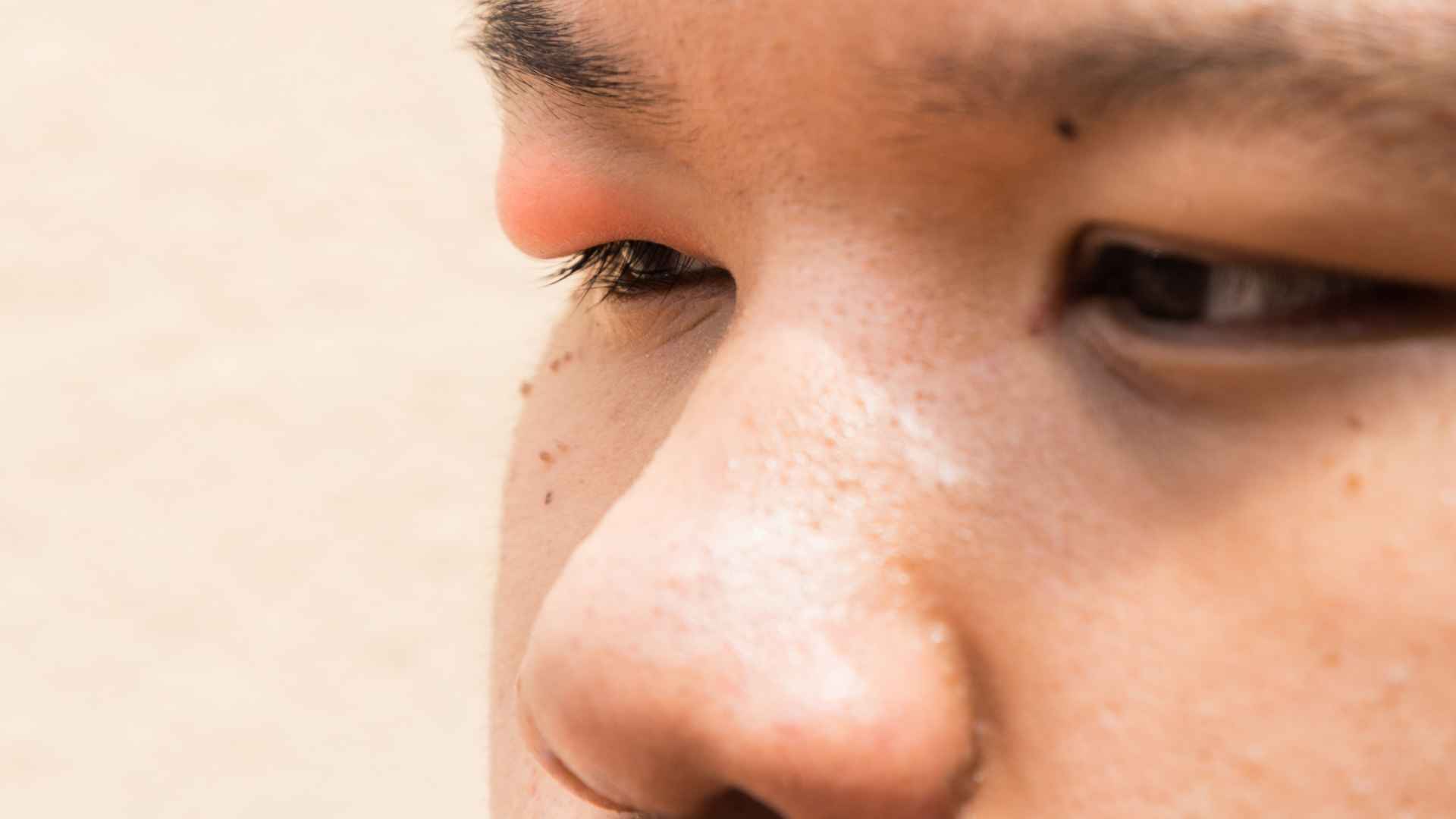
Best Eye Drops for a Stye | St. George Eye Center
Best Eye Drops for a Stye (and What to Avoid)
A drugstore aisle full of eye drop options can feel overwhelming when you are staring down a sore, swollen eyelid. It is tempting to grab whatever bottle promises relief and hope for the best. But not every drop is helpful for a stye, and a few common choices can actually slow healing or irritate the area further.
At St. George Eye Center, patients often ask which drops actually help with a stye and whether they need a prescription right away. This guide explains what types of drops can soothe symptoms, which ingredients to steer clear of, why antibiotic drops are not always the first step, and when warm compresses remain the better option.
Why Warm Compresses Usually Come First
Before getting into eye drops specifically, it helps to understand why most eye doctors recommend warm compresses as the primary treatment for a typical stye. A stye develops when an oil gland or eyelash follicle becomes blocked and infected. Warm compresses work directly on that blockage, softening thickened oil and encouraging the stye to drain naturally.
Eye drops, by comparison, mostly address comfort or, in specific cases, active infection. They do not replace the mechanical benefit of consistent heat applied to the area. For most straightforward styes, a warm compress applied for 10 to 15 minutes several times a day remains the most effective first-line treatment, with eye drops playing a supporting role rather than the main event.
Eye Drops That Can Help With Comfort
For general comfort while a stye heals, a few categories of over-the-counter drops are reasonable options.
Preservative-free artificial tears. These can help soothe general irritation and dryness that often accompanies a stye, particularly if the swelling is affecting how well the eyelid closes or how comfortable blinking feels. Preservative-free formulas are gentler on already-irritated tissue.
Lubricating ointments at night. A thicker lubricating ointment applied at bedtime can help keep the eye comfortable overnight, especially if swelling makes it harder for the eyelid to close fully while sleeping.
These options manage comfort but do not treat the underlying infection or blockage. They are a supplement to warm compresses, not a substitute for them.
Key takeaway: Artificial tears and lubricating ointments can ease irritation, but warm compresses remain the treatment actually addressing the stye itself.
Eye Drops and Ingredients to Avoid
A few common eye drop categories can do more harm than good when a stye is present.
Redness-relief drops. Drops marketed specifically to reduce redness typically work by constricting blood vessels on the surface of the eye. They do nothing for the underlying gland blockage causing the stye, and with regular use, they can cause rebound redness once the effect wears off. They may also mask visible signs your provider would want to see during an evaluation.
Drops with strong preservatives. Some over-the-counter formulas contain preservatives that can irritate an eye that is already inflamed and sensitive. If you need frequent drop use while a stye heals, a preservative-free option is generally gentler.
Expired or previously opened drops meant for a past infection. Reusing old prescription drops from a previous eye issue is never a good idea. Expired medication loses effectiveness, and using leftover prescription antibiotics without a current evaluation is not appropriate for a new infection.
Any drop applied without clean hands or a clean applicator tip. This is less about the drop itself and more about technique. Touching the applicator tip to the eye or eyelid can introduce more bacteria to an area that is already fighting an infection.
Why Antibiotic Drops Are Not Always the First Step
Many people assume any eye infection calls for antibiotic drops right away, but this is not always accurate for a typical stye. A stye is a localized infection within a single gland, and mild cases frequently resolve on their own with consistent warm compresses, without needing antibiotic treatment at all.
Antibiotic drops work on the surface of the eye and do not always penetrate effectively into the gland itself, where the actual stye infection is occurring. This means that for many cases, antibiotic drops provide limited additional benefit over warm compresses alone. Overusing antibiotics for minor, self-limiting infections also contributes to broader concerns about antibiotic resistance over time.
This does not mean antibiotic drops are never appropriate. They are, however, a decision best made by a provider after an evaluation, rather than a first response to any eyelid bump.
When a Prescription Is Truly Needed
Certain situations do call for prescription treatment, and recognizing them helps you know when it is time to move beyond home care.
The stye is not improving after 10 to 14 days of consistent warm compresses
Redness and swelling begin spreading beyond the eyelid to the surrounding skin
Pain becomes significant rather than mild tenderness
The stye keeps recurring in the same location
You develop a fever alongside the eyelid swelling
Vision becomes blurry or otherwise affected
In these situations, a provider may prescribe antibiotic drops, oral antibiotics, or in some cases recommend an in-office procedure to help the stye drain. The right treatment depends on the specific presentation, which is why an in-person evaluation matters more than guessing from a pharmacy shelf.
A Simple Rule of Thumb
For most mild, uncomplicated styes, warm compresses plus basic comfort measures like preservative-free artificial tears are enough. Skip redness-relief drops and leftover prescription medication. If the stye is not clearly improving within a week to ten days, or if any of the warning signs above appear, it is time for a professional evaluation rather than trying another product from the shelf.
Get an Evaluation When Home Care Is Not Enough
If your stye is painful, growing, or lingering longer than it should, do not keep guessing at drops and hoping for improvement. St. George Eye Center offers walk-in urgent eye care, with no appointment needed and experienced providers who can determine whether a prescription is actually necessary.
Visit St. George Eye Center to learn more, or contact us with any questions about your symptoms and the right next step.
