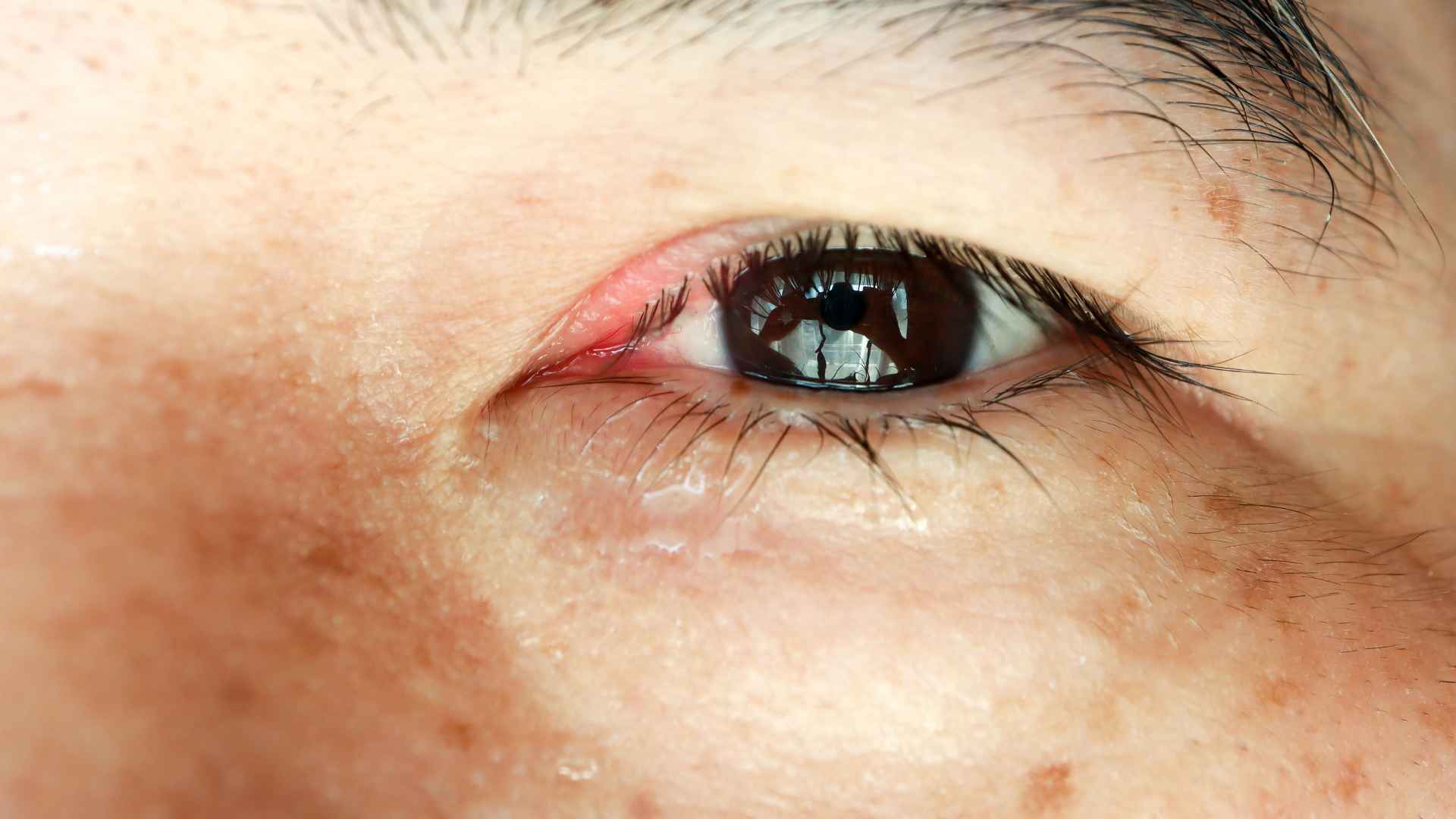
Can Blepharitis Cause Styes? | St. George Eye Center
If you have dealt with more than one stye in recent months, there is a good chance something is setting the stage behind the scenes. Blepharitis, a chronic inflammation of the eyelid margins, is one of the most common underlying causes of styes that keep coming back. Understanding this connection changes how the problem should actually be treated.
At St. George Eye Center, patients dealing with recurring styes are frequently found to have underlying blepharitis once we take a closer look at the eyelid margin. This guide explains how the two conditions are connected, why treating each stye individually rarely breaks the pattern, and what long-term management actually looks like.
What Is Blepharitis?
Blepharitis is a chronic condition involving inflammation along the edges of the eyelids, right where the eyelashes emerge. It typically involves the small oil-producing glands lining the lash margin, called the meibomian glands, along with the surrounding skin and follicles.
Common symptoms of blepharitis include redness along the lash line, crusting or flaking at the base of the eyelashes, a gritty or burning sensation, and eyelids that feel greasy or irritated, particularly upon waking. Blepharitis is considered a chronic condition, meaning it tends to persist or return over time rather than resolving permanently with a single treatment.
How Blepharitis Leads to Styes
A stye develops when a gland or eyelash follicle becomes blocked and infected with bacteria. Blepharitis creates exactly the kind of environment where this happens more easily and more often.
Ongoing gland blockage. Chronic inflammation along the eyelid margin disrupts normal oil flow from the meibomian glands. Thickened oil and debris accumulate more easily in an eyelid margin that is already inflamed, creating repeated opportunities for a gland to become blocked and infected.
Bacterial overgrowth. Blepharitis is often associated with an overgrowth of the bacteria that normally live harmlessly on the eyelid skin. When bacterial populations increase along an already irritated lash line, the odds of a blocked gland becoming infected, forming a stye, rise correspondingly.
A self-perpetuating cycle. Each stye that forms and resolves does not necessarily calm the underlying blepharitis. Since the inflammation driving gland blockage and bacterial overgrowth remains, a new stye can develop again once the conditions line up, sometimes within weeks or months of the last one.
Compromised eyelid hygiene environment. Debris and crusting associated with blepharitis can further clog glands and follicles along the lash line, adding another contributing factor to the cycle beyond inflammation and bacteria alone.
Key takeaway: Blepharitis does not cause a single stye directly. It creates chronic conditions along the eyelid margin, gland blockage, bacterial overgrowth, and ongoing inflammation, that make styes more likely to form again and again.
Why This Connection Often Goes Unnoticed
Many patients treat each stye as its own isolated event. Warm compresses bring relief, the stye resolves within a week or two, and the episode is filed away as a one-off annoyance. When another stye appears months later, it can seem like simple bad luck rather than a pattern.
Blepharitis itself can also be mild enough that its own symptoms, like slight redness or minor crusting, are easy to overlook or attribute to normal morning eye crustiness. Without a provider specifically examining the eyelid margin with this connection in mind, the underlying blepharitis can go unaddressed indefinitely, even while it continues to generate new styes on a recurring basis.
Why Treating Each Stye Alone Does Not Solve the Pattern
Warm compresses and good hygiene remain useful and appropriate for managing any individual, active stye. The issue is that this approach addresses the current infection without touching the underlying blepharitis that is likely to produce another one.
Patients who have dealt with several styes over months, sometimes even a year or more, often describe the same experience: each stye resolves with the usual home care, only for a new one to appear later, sometimes in a different spot on the same eyelid or the other eye entirely. This repeating cycle is a strong signal that the underlying eyelid margin health, not just the most recent stye, deserves direct attention.
What Long-Term Management Actually Looks Like
Breaking the cycle requires managing blepharitis as an ongoing condition rather than treating symptoms as they appear.
Consistent eyelid hygiene. A daily routine of eyelid cleansing helps reduce debris, bacteria, and inflammation along the margin, addressing the environment that makes new styes more likely.
Warm compresses as maintenance, not just crisis response. Using warm compresses regularly, even between active stye episodes, helps keep the meibomian glands functioning more normally and reduces the blockage that leads to new infections.
Professional gland treatment when needed. For more persistent cases, in-office treatments can more thoroughly clear blocked glands and calm inflammation than daily hygiene alone can achieve.
Addressing any related dry eye. Blepharitis frequently overlaps with meibomian gland dysfunction and chronic dry eye, since both involve the same glands along the eyelid margin. Treating the eyelid margin holistically, rather than focusing narrowly on stye prevention alone, tends to produce more lasting improvement.
This is exactly the kind of connected, ongoing care our dry eye evaluation is designed to provide, looking at the full picture of eyelid margin health rather than treating each stye as a disconnected event.
Break the Cycle With a Real Evaluation
If styes keep reappearing, the most effective next step is identifying whether blepharitis is the underlying cause, rather than continuing to treat each occurrence individually and hoping the pattern eventually stops on its own.
Visit St. George Eye Center to learn more about our approach to eyelid health, or contact us to schedule an evaluation and finally address what has been driving your recurring styes.
