Diabetic Eye Exams: Why They're Different From a Regular Eye Exam
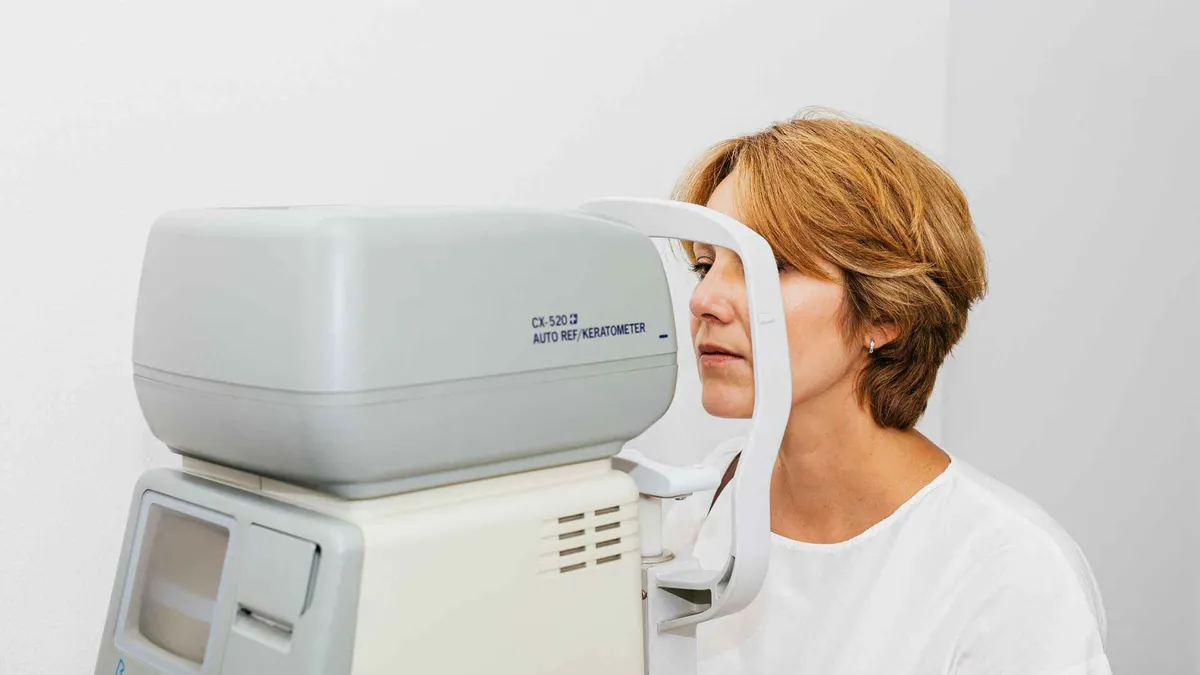
A person with diabetes might hear "get your eyes checked" and picture the same visit everyone else has. They read letters off a chart, try a few lenses, and leave with a prescription. A diabetic eye exam has a different goal. It looks past sharp vision and checks the health of the retina itself.
At St. George Eye Center, we perform these exams regularly and often hear the same concern from patients: "My vision seems fine." That is exactly why the exam works the way it does. This guide explains what sets a diabetic eye exam apart, how long it takes, how often to schedule it, and why early findings matter. It also serves as the practical next step after reading about diabetic retinopathy and its symptoms.
What a Regular Eye Exam Focuses On
A standard vision exam centers on how well you see. The doctor measures your sharpness at different distances and finds the lens strength that corrects it. Many routine exams also include a quick look at the front of the eye and a pressure check.
Dilation is not always part of a routine visit. A healthy younger adult with no risk factors may have it only occasionally. That works well for someone with low risk. For a person with diabetes, it leaves out the most important part of the picture.
What Makes a Diabetic Eye Exam Different
Diabetes can damage the small blood vessels in the retina long before vision changes appear. A diabetic eye exam is built to find that damage early. Three differences stand out.
Dilation Is Standard
The doctor places drops in your eyes to widen your pupils. A wider pupil opens a clear view of the whole retina, the optic nerve, and the blood vessels. Without dilation, much of the retina stays hidden.
The drops take about 20 to 30 minutes to work. Afterward, your near vision may look blurry and bright light may feel uncomfortable. These effects usually last several hours.
Retinal Imaging Adds Detail
Many diabetic exams include imaging that records what the doctor sees. Retinal photos create a baseline. At each visit, the doctor compares new images against old ones to spot small changes. Optical coherence tomography, often called OCT, scans the retina and shows swelling in the macula, the area that handles sharp central vision. In some cases, a dye test called fluorescein angiography shows leaking or blocked vessels.
The Exam Looks for More Than Retinopathy
People with diabetes face a higher risk of cataracts and glaucoma. The doctor checks the lens, measures eye pressure, and examines the optic nerve. Diabetes can also change how your eyes focus from week to week. Tell your doctor about recent blood sugar swings, since they can temporarily shift your vision.
Key takeaway: A diabetic eye exam adds dilation and retinal imaging to the standard checks, because the goal is to find damage that you cannot feel or see yet.
Why the Exam Takes Longer
Plan for more time than a routine vision check. Several steps add minutes to the visit.
The drops need time to widen your pupils.
The doctor examines each retina carefully, including its outer edges.
Imaging takes additional time and sometimes more than one scan.
The doctor reviews your results and explains what they mean.
Your history gets more attention, including how long you have had diabetes and your recent blood sugar control.
Block out extra time on your calendar. Bring sunglasses for the ride home, and consider asking someone to drive you, since blurry vision after dilation can make driving uncomfortable. A list of your medications and your recent blood sugar or A1C numbers can also help the doctor understand your overall picture.
How Often to Schedule a Diabetic Eye Exam
Most guidelines recommend a dilated exam at least once a year for people with diabetes. The timing of the first exam depends on the type.
Type 2 diabetes. The first exam usually happens soon after diagnosis. Type 2 can go unnoticed for years, so some patients already have changes at diagnosis.
Type 1 diabetes. The first exam typically happens within several years of diagnosis, and yearly exams follow.
Pregnancy with existing diabetes. An exam early in pregnancy is common, with closer follow-up afterward, since pregnancy can speed up retinal changes.
Your doctor may adjust the schedule. A person with no signs of retinopathy and steady health may do well with longer gaps. A person with changes in the retina may need exams every few months. Treat these timelines as general guidance and follow the plan your doctor gives you.
Why Catching Problems Early Matters
Early diabetic retinopathy rarely causes symptoms. By the time blurry vision or dark spots appear, the disease may be advanced. Treatments work best when the doctor finds problems before they threaten vision.
Early findings give you options. Your doctor can monitor the retina closely, recommend tighter control of blood sugar, blood pressure, or cholesterol, and begin treatment if needed. Injections, laser treatment, and surgery can protect vision, though they often cannot restore sight already lost. Finding a problem at a mild stage makes the strongest difference in outcomes.
A diabetic eye exam also supports the rest of your care. Retinal findings can tell your primary care doctor or endocrinologist how well your treatment plan is working. Ask that your results reach those providers so your care team works from the same information.
Make the Most of Your Visit
A few habits help the exam go smoothly.
Schedule the exam on a day when you can take a break afterward.
Bring your glasses or contact lenses, along with your medication list.
Note any changes in your vision, including floaters, flashes, or fluctuating blur.
Ask what the results show and when to return.
Keep a record of your exam dates so you can track your schedule.
Schedule Your Diabetic Eye Exam
If it has been more than a year since your last dilated exam, or if you have never had one, do not wait for symptoms to appear. No referral is needed to book with us. Visit St. George Eye Center to learn more about our practice, browse our full range of services, or contact us to schedule your exam.