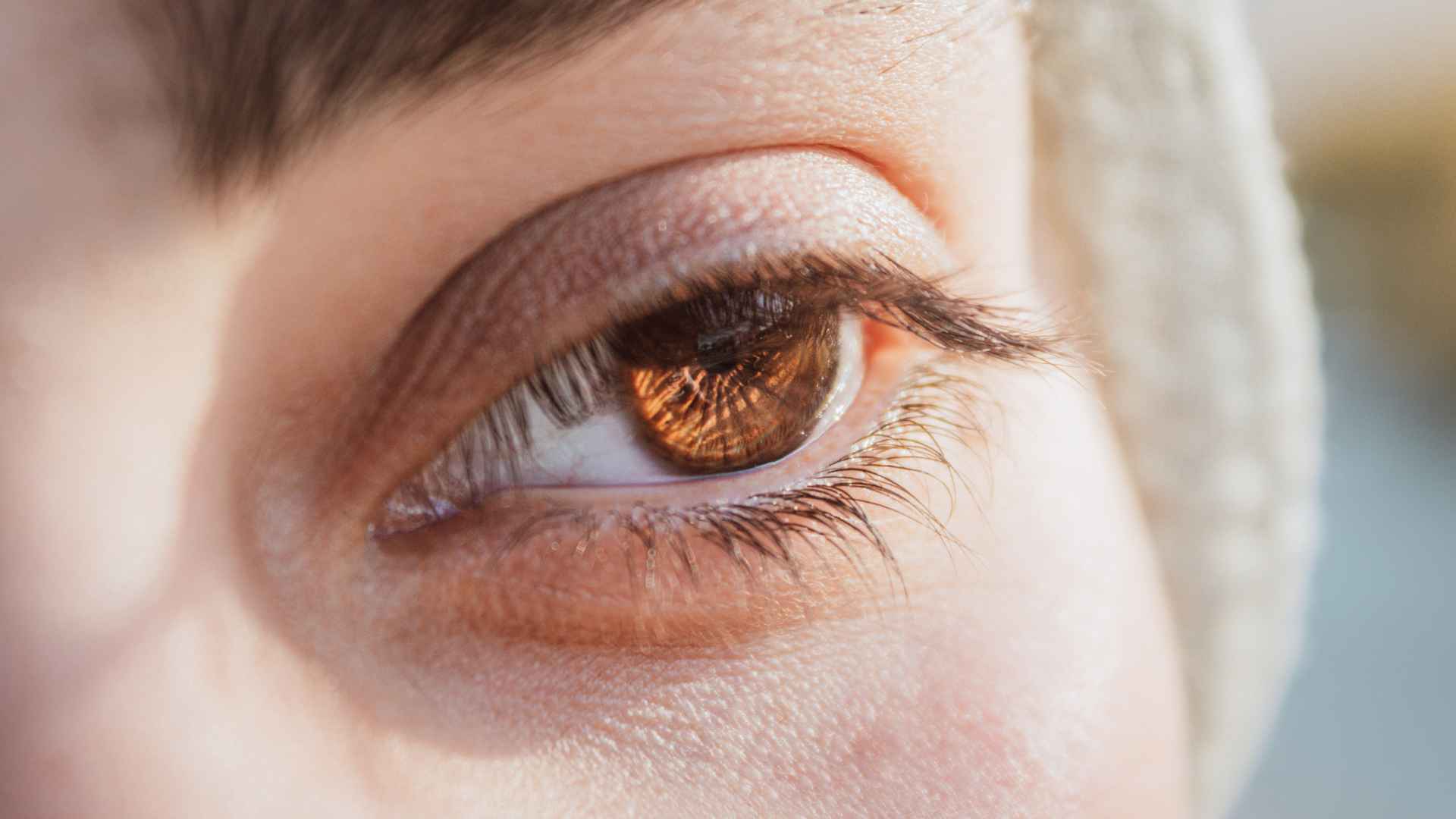
Eyelid Twitching Common Causes | St. George Eye Center
An eyelid that suddenly starts twitching on its own is one of those experiences that is difficult to ignore. The sensation is minor, but it lingers, and most people eventually want to know what is causing it. The reassuring answer is that the overwhelming majority of eyelid twitches are harmless and tied directly to lifestyle factors. The less reassuring answer is that a small number are not.
At St. George Eye Center, we help patients understand when an eyelid spasm is simply a sign that the body needs rest and when something more persistent deserves a closer look. This guide covers the most common causes and the specific signs that should prompt a professional evaluation.
What Is Eyelid Twitching?
The medical term for common eyelid twitching is myokymia. It refers to small, involuntary contractions of the muscle beneath the eyelid skin, usually the lower lid, though the upper lid can be affected too. The twitching tends to come and go, sometimes stopping for hours before returning, and most episodes resolve on their own within a few days to a few weeks.
Myokymia is not painful and does not affect vision. In most cases, no one else can even see it happening, even though it feels quite noticeable from the inside.
Common Causes of Eyelid Twitching
When eyelid twitching starts up, one of the following is usually responsible.
Fatigue and poor sleep. The eyelid muscles, like any muscle in the body, become more prone to minor spasms when they are not adequately rested. Twitching that starts during a stretch of poor sleep often disappears quickly once sleep improves.
Caffeine. High caffeine intake is one of the most consistent triggers for eyelid twitching. Coffee, tea, energy drinks, and even certain medications contribute to the total daily load. Reducing intake, even temporarily, often brings noticeable improvement within a few days.
Stress. Physical or emotional stress can trigger or worsen muscle spasms throughout the body, including in the eyelids. The connection between stress and twitching is well recognized, even if the precise mechanism is not fully understood.
Screen time and eye strain. Extended time on screens reduces blink rate and keeps the eye muscles working harder than usual for sustained periods. Digital eye strain can trigger twitching, particularly late in the day after hours of uninterrupted screen use.
Dry eyes. Dryness on the eye's surface can irritate the surrounding muscles and contribute to twitching. This connection is worth noting, since treating the underlying dry eye can sometimes resolve twitching that has been lingering.
Nutritional factors. Low magnesium levels have been associated with muscle spasms in some patients. Dietary changes or supplementation, when relevant, should be discussed with a primary care provider rather than self-diagnosed.
Alcohol and tobacco. Both are linked to increased eyelid spasm frequency in some patients, likely through their effects on nerve and muscle function.
Key takeaway: Fatigue, caffeine, stress, and screen strain are the four most common triggers of benign eyelid twitching, and addressing any one of them often helps more than any specific eye treatment.
How to Reduce Common Eyelid Twitching
For the typical case of myokymia tied to lifestyle factors, a few simple changes often resolve it without any medical intervention.
Prioritize consistent sleep for several nights and see whether twitching diminishes
Cut back on caffeine for a few days, starting with whatever you consume most frequently
Take regular breaks during screen use, looking away from the screen for at least 20 seconds every 20 minutes
Use lubricating eye drops if dryness or irritation is present alongside the twitching
Reduce alcohol intake temporarily if consumption has been higher than usual
Most cases of benign eyelid twitching respond to one or more of these adjustments within one to two weeks. If the twitch disappears after improving sleep or reducing caffeine, no further evaluation is typically needed.
When Eyelid Twitching Needs a Professional Evaluation
While most eyelid twitching is benign, certain patterns fall outside the range of typical myokymia and warrant a medical assessment.
The twitching has lasted more than a few weeks without any clear improvement. Persistent twitching that does not respond to lifestyle changes and shows no sign of resolving on its own is worth having evaluated.
The twitching spreads beyond the eyelid. If the spasm begins to involve the cheek, the corner of the mouth, or other areas of the face, this changes the clinical picture considerably. Hemifacial spasm, where involuntary muscle contractions affect one entire side of the face, is a distinct condition that requires evaluation to identify the underlying cause.
Both eyelids close fully and simultaneously. Benign eyelid twitching involves minor, partial contractions. A condition called blepharospasm causes forceful, involuntary closure of both eyelids that can significantly interfere with vision and daily activities. Blepharospasm is different from myokymia and requires specific treatment, most commonly with carefully placed injections to temporarily reduce the muscle contractions.
The eye is red, swollen, or producing discharge alongside the twitching. These additional symptoms suggest something beyond simple muscle fatigue and deserve assessment for other conditions, including infection or inflammation.
The twitching begins after a new medication. Some medications list muscle spasm or twitching as a side effect. If a new prescription coincided with the onset of twitching, raising this with the prescribing provider is a reasonable first step.
Twitching is accompanied by drooping of the upper eyelid or facial weakness. These neurological signs should be evaluated promptly rather than monitored at home.
Get an Evaluation If Something Feels Off
Benign eyelid twitching rarely needs more than rest and a few lifestyle adjustments. But twitching that has persisted for weeks, spread to other parts of the face, or arrived alongside other symptoms tells a different story.
Visit St. George Eye Center to learn more about our full range of eye care services, or explore our services page for information on what our team evaluates and treats. If something about your twitching has moved from mildly annoying to genuinely persistent, contact us to schedule an evaluation with our team.
