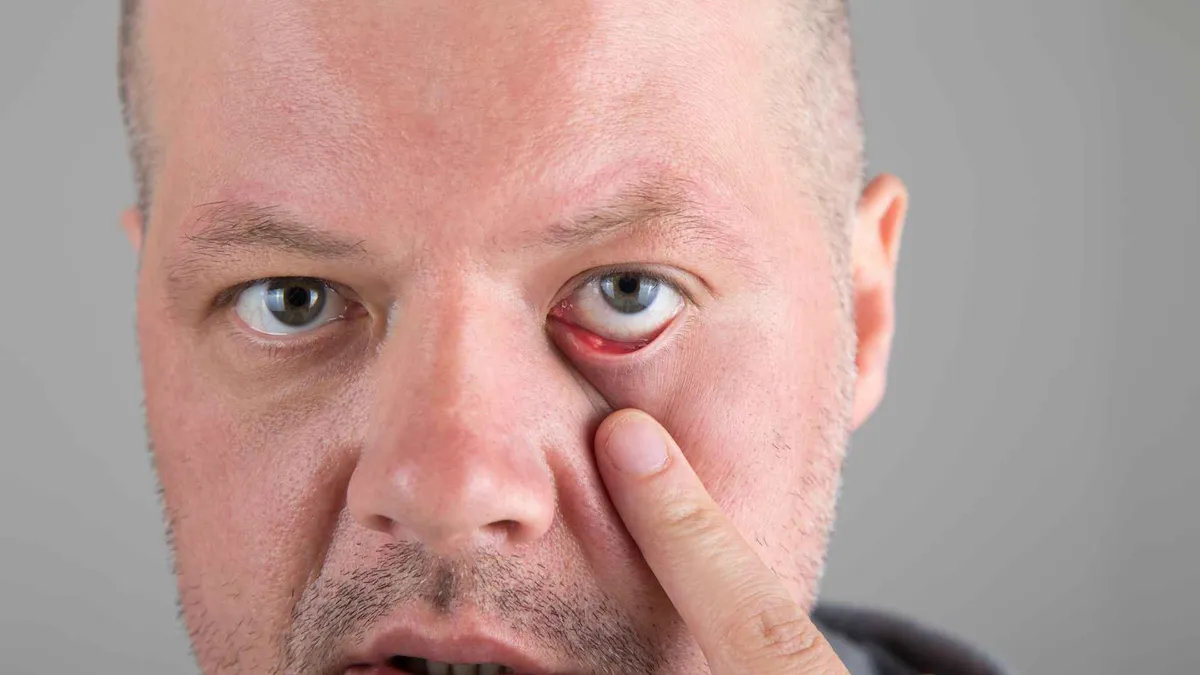
How Long Does a Stye Really Last?
Most styes resolve within one to two weeks when treated with consistent warm compresses. The bump usually peaks in size and discomfort during the first two to three days, then gradually improves as it drains naturally. A few specific factors can shorten or extend that timeline, and knowing them helps set realistic expectations for your own recovery.
At St. George Eye Center, this is one of the most common questions patients ask about a new stye. This guide breaks down the typical healing stages, what helps a stye resolve faster, what tends to slow it down, and when the timeline suggests it is time to see a doctor.
The Typical Healing Timeline
A stye generally moves through a fairly predictable pattern.
Days 1 to 2: The stye appears, often quickly, with redness, swelling, and tenderness building over this initial window. This is usually when discomfort is at its most noticeable.
Days 3 to 5: With consistent warm compresses, many styes reach a head during this stage and begin draining naturally. Swelling often starts to decrease as this happens.
Days 5 to 10: Redness and swelling continue fading during this period. Most styes are substantially resolved by the end of this window.
Beyond 10 to 14 days: A stye that has not meaningfully improved by this point is taking longer than typical and should be evaluated by a provider rather than treated at home indefinitely.
Key takeaway: Most styes fully resolve within one to two weeks, with the worst discomfort concentrated in the first few days.
What Speeds Up Healing
A few specific habits make a real difference in how quickly a stye resolves.
Consistent warm compresses. Applying a warm, clean washcloth to the closed eyelid for 10 to 15 minutes, three to four times a day, is the single most effective way to speed up healing. The heat softens the blockage and encourages natural drainage.
Good hygiene during treatment. Washing your hands before touching the area, avoiding eye makeup, and skipping contact lenses until the stye clears all support faster, cleaner healing.
Starting treatment early. Beginning warm compresses as soon as a stye appears, rather than waiting a few days to see if it resolves on its own, tends to shorten the overall timeline.
Replacing contaminated cosmetics. If a specific makeup product seems linked to the stye, replacing it removes a potential source of reinfection during healing.
What Slows Down Healing
Certain habits and factors can extend how long a stye sticks around.
Squeezing or popping the stye. This is the most common way people unintentionally prolong healing. Squeezing can push infection deeper or spread it to nearby glands, often making the swelling worse rather than better.
Inconsistent compress use. Applying warm compresses sporadically, rather than several times daily, slows the process considerably compared to a consistent routine.
Continued eye makeup or contact lens use. Both can reintroduce bacteria to the area or irritate the healing eyelid, extending the timeline.
Underlying blepharitis. Chronic inflammation along the eyelid margin can make any individual stye take longer to resolve and increases the likelihood of a new one forming shortly after.
Touching the area frequently. Repeated touching, even without squeezing, can introduce more bacteria and irritate the healing tissue.
When the Timeline Signals a Problem
A stye that does not follow the general pattern described above is worth having evaluated. Specific signs that call for a same-day evaluation include:
No improvement after 10 to 14 days of consistent warm compresses
Redness or swelling spreading beyond the eyelid
Pain that is increasing rather than gradually improving
Vision changes
A fever developing alongside the swelling
The stye recurring repeatedly in the same location
An internal stye, which forms deeper within the eyelid rather than right at the lash line, often takes longer to resolve than a typical external stye and may be more likely to require professional treatment to fully clear.
The Short Answer
For a typical stye treated with consistent warm compresses and good hygiene, expect noticeable improvement within three to five days and full resolution within one to two weeks. If your stye is not following that pattern, particularly past the two-week mark, a professional evaluation is the appropriate next step rather than continued waiting.
Get It Checked If It Is Taking Too Long
If your stye has lingered longer than expected, or if it is getting worse instead of better, do not wait through more uncertainty. St. George Eye Center offers walk-in urgent eye care, with no appointment needed and experienced providers ready to help.
Visit St. George Eye Center to learn more, or contact us with any questions about a stye that is not resolving on the timeline you expected.