Stye Under the Eyelid | St. George Eye Center
Most people picture a stye forming on the upper eyelid, but they show up on the lower lid just as often. A bump along the lower lash line or underneath the eyelid brings its own set of questions, particularly since it can be harder to see clearly and easier to confuse with a chalazion. Knowing what sets a lower eyelid stye apart helps you treat it correctly from the start.
At St. George Eye Center, styes on the lower eyelid are just as common as those on the upper lid, and we evaluate both regularly. This guide covers what causes a stye under the eyelid, how it differs from a chalazion in this location, and the right treatment approach.
Why Styes Form on the Lower Eyelid
A stye develops when an oil gland or eyelash follicle becomes blocked and infected with bacteria. The lower eyelid contains the same types of glands and lash follicles as the upper lid, which means it is just as susceptible to the same infection process.
Common contributing factors include:
Touching or rubbing the eyes with unwashed hands
Sleeping in eye makeup, particularly eyeliner applied along the lower lash line
Using old or contaminated cosmetics
Chronic blepharitis, which increases susceptibility to styes on either eyelid
Poor contact lens hygiene
Because people tend to touch and apply makeup near the lower lash line more frequently, some patients notice slightly more frequent styes there, though this varies from person to person.
Why a Lower Eyelid Stye Can Be Mistaken for a Chalazion
A stye and a chalazion can look fairly similar at first glance, and this confusion becomes more likely specifically on the lower eyelid, where the swelling is often positioned closer to the eye's surface and harder to inspect directly without gently pulling the lid down.
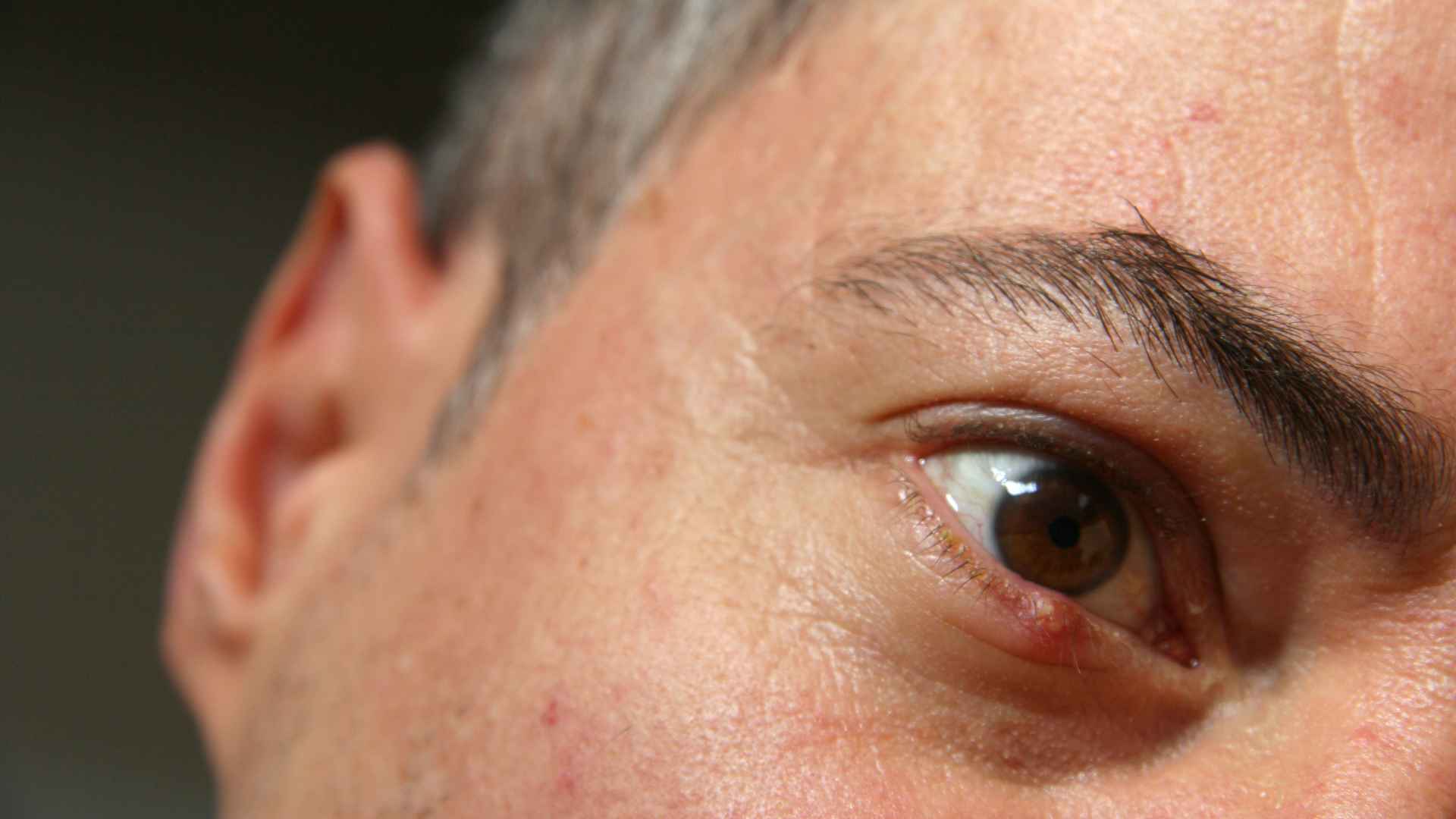
A stye on the lower lid typically forms right at the lash line, appears quickly, and is usually tender or sore to the touch. It often looks like a small red bump, sometimes with a visible white or yellow head, similar to a pimple.
A chalazion, by comparison, tends to form farther from the lash line, closer to the middle of the eyelid, and develops more gradually over several days. It is usually firm and round, and in many cases it is painless or only mildly tender, which is one of the clearest ways to distinguish it from a stye.
Because the lower eyelid is smaller and swelling can be harder to pinpoint without a proper exam, self-diagnosis here is less reliable than on the upper lid.
Key takeaway: Location relative to the lash line and pain level remain the most useful clues, but the lower eyelid's smaller size makes an accurate self-diagnosis harder, which is why a proper exam matters more here than it might elsewhere.
Symptoms Specific to a Lower Eyelid Stye
A stye under the eyelid can cause a few symptoms worth watching for, some of which are more noticeable in this location than on the upper lid.
Redness and swelling along the lower lash line
Tenderness, particularly when blinking or touching the area
A sensation similar to something being caught in the eye, since lower lid swelling can sometimes brush against the eye's surface
Excess tearing, since irritation from the swelling can stimulate tear production
Sensitivity to light in some cases, particularly with more significant swelling
Because the lower eyelid sits closer to the surface of the eye during blinking, some patients notice slightly more irritation or a foreign-body sensation with a lower lid stye compared to one on the upper lid.
Treatment for a Stye Under the Eyelid
Treatment for a lower eyelid stye follows the same core approach as any other stye, with a few practical adjustments worth keeping in mind for this specific location.
Warm compresses. Apply a clean, warm washcloth to the closed eyelid for 10 to 15 minutes, several times a day. Because the lower lid sits close to the lash line and the eye's surface, take care to apply gentle, even pressure rather than pressing directly on the bump itself.
Good hygiene. Wash your hands before touching the area, avoid eye makeup, particularly along the lower lash line, and skip contact lenses until the stye has resolved.
Never squeeze or attempt to pop it. This applies to any stye, but it is worth emphasizing for the lower lid specifically, since the tissue here sits closer to the eye's surface, and disrupting the infection carries the same risks of spreading it deeper or to nearby glands.
Patience. Most lower eyelid styes follow the same general timeline as those on the upper lid, typically improving within a few days and resolving within one to two weeks with consistent home care.
When to Seek an Evaluation
Certain signs mean it is time to have a lower eyelid stye examined rather than continuing home care alone.
The bump is not improving after 10 to 14 days
Redness or swelling spreads beyond the eyelid
Pain becomes significant rather than mild tenderness
The bump keeps recurring in the same area
Vision becomes blurry or otherwise affected
You are unsure whether the bump is a stye or a chalazion
That last point matters in particular for lower eyelid bumps, given how easily the two conditions can be confused in this location without a direct exam.
Get an Accurate Diagnosis
If a bump on your lower eyelid is not improving, or if you are simply unsure what you are dealing with, do not guess. St. George Eye Center offers walk-in urgent eye care, with no appointment needed and experienced providers who can identify exactly what is happening and recommend the right treatment.
Visit St. George Eye Center to learn more, or contact us with any questions about a stye or bump that is not resolving on its own.
