Stye vs Chalazion: Eyelid Bump Guide | St. George Eye Center
A bump on your eyelid is easy to dismiss at first. Maybe it looks like a small pimple, or it feels sore when you blink. Most people assume it will disappear in a day or two, and often it does. But two of the most common eyelid bumps, styes and chalazia, look similar at a glance and behave very differently underneath the surface.
Knowing which one you are dealing with helps you decide how to care for it and when it is time to stop waiting and get it examined. This guide breaks down the visual differences, the causes, the typical timeline, and the specific signs that call for medical attention rather than home care.
What Is a Stye?
A stye, also called a hordeolum, is a small, painful lump that forms near the edge of the eyelid, usually right along the lash line. It develops when an oil gland or hair follicle at the base of an eyelash becomes infected with bacteria, most often the same bacteria that live harmlessly on your skin.
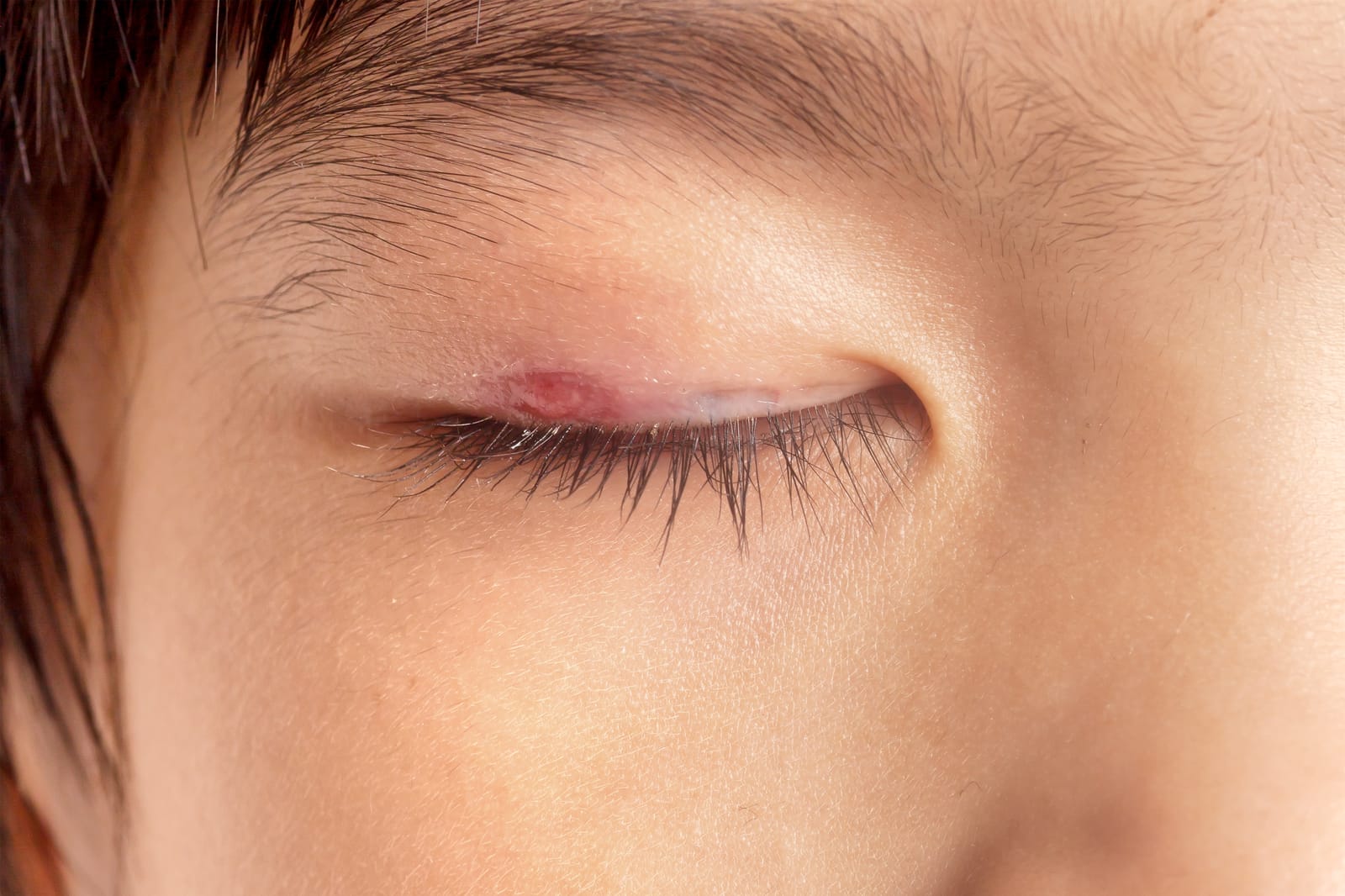
Styes tend to appear quickly. Within a day, the eyelid can become red, swollen, and tender to the touch. The bump itself often resembles a small pimple, sometimes with a visible white or yellow head. Blinking may feel uncomfortable, and the eye can water more than usual.
What Is a Chalazion?
A chalazion forms differently. Instead of an infection at the lash line, it develops when one of the oil-producing meibomian glands inside the eyelid becomes blocked. Oil builds up behind the blockage, creating a firm, round lump.
Unlike a stye, a chalazion usually sits farther from the lash line, closer to the middle of the eyelid. It tends to grow slowly over several days rather than appearing overnight, and in most cases, it is not painful. Some people describe it as a small, firm marble under the skin rather than a sore, red bump.
Key takeaway: A stye is a sudden, tender infection near the lash line, while a chalazion is a slower-growing, usually painless blockage deeper in the eyelid.
Visual and Physical Differences at a Glance
Both conditions cause eyelid swelling, which is why they are so often confused. A few details set them apart.
Location: Styes form right at the edge of the eyelid, along the lash line. Chalazia typically sit farther back, away from the lashes.
Pain: Styes are usually tender, red, and sore to the touch. Chalazia are often painless once the initial swelling settles, though they can feel tender in the first day or two.
Onset: Styes appear quickly, sometimes within hours. Chalazia develop more gradually over several days.
Appearance: Styes often look like a small pimple with a visible head. Chalazia tend to look like a smooth, round lump under the skin.
Size: Chalazia can grow larger than styes if the blocked gland continues to fill with oil.
What Causes These Eyelid Bumps?
Both conditions trace back to the glands along your eyelid, but the underlying cause differs.
Styes develop when bacteria infect an eyelash follicle or one of the small oil glands near the lash line. Rubbing your eyes with unwashed hands, sleeping in eye makeup, or using old or contaminated cosmetics can all raise the risk.
Chalazia develop when a meibomian gland becomes blocked, often following an untreated or recurring stye, or simply from thickened oil that does not drain properly. People with rosacea, blepharitis, or other eyelid inflammation tend to develop chalazia more frequently.
How Long Do They Typically Last?
A stye usually follows a fairly predictable timeline. Most reach their peak within a few days, then the head opens and drains on its own, with the bump resolving within one to two weeks.
A chalazion tends to move more slowly. It may take several weeks to shrink completely, and in some cases it lingers for a month or longer without proper treatment. A chalazion that does not respond to home care can also continue growing rather than resolving on its own.
Home Care for Mild Cases
For a straightforward stye or an early chalazion, simple home care is often enough:
Apply a warm compress to the closed eyelid for 10 to 15 minutes, several times a day.
Gently massage the area after the compress to encourage drainage.
Keep the eyelid clean and avoid wearing contact lenses or eye makeup until it heals.
Never squeeze or attempt to pop the bump, since this can spread infection or cause scarring.
Most mild cases improve steadily with this routine. If a bump is not improving after several days of consistent warm compresses, it is worth having it evaluated.
When to See a Doctor Instead of Waiting It Out
Home care resolves many eyelid bumps, but certain signs mean it is time to move past self-treatment and get an evaluation. Reach out to a provider if you notice any of the following:
The bump grows larger or more painful instead of improving
Redness or swelling spreads beyond the eyelid to the surrounding skin or face
Your vision becomes blurry or affected
The bump has not improved after one to two weeks of home care
You develop a fever along with the eyelid swelling
The lump keeps returning in the same spot
Pain becomes severe rather than mild tenderness
Spreading redness, fever, or vision changes in particular should not wait for a routine appointment. These can signal a more serious infection that has moved beyond the eyelid gland itself and needs prompt treatment.
Key takeaway: Mild swelling usually responds to warm compresses at home, but growth, spreading redness, fever, or vision changes call for same-day care.
Why Professional Evaluation Matters
A chalazion that lingers for weeks may need an in-office procedure to drain it properly, and a stye that keeps recurring can sometimes point to an underlying eyelid condition, such as chronic blepharitis, that benefits from ongoing management. Self-diagnosing from a mirror is not always reliable, since both conditions can look similar in their early stages, and an infection that is spreading needs treatment quickly to prevent complications.
Get Prompt Care When You Need It
If your eyelid bump is growing, painful, or simply not improving the way you expected, do not wait through days of uncertainty. St. George Eye Center provides walk-in urgent eye care for exactly these situations, with no appointment needed and experienced providers who can determine whether you are dealing with a stye, a chalazion, or something else that needs a different approach.
To learn more about the full range of services available at St. George Eye Center, or to reach our team with questions about your symptoms, contact us today. Prompt evaluation is always the safer choice when it comes to protecting your vision and your comfort.
