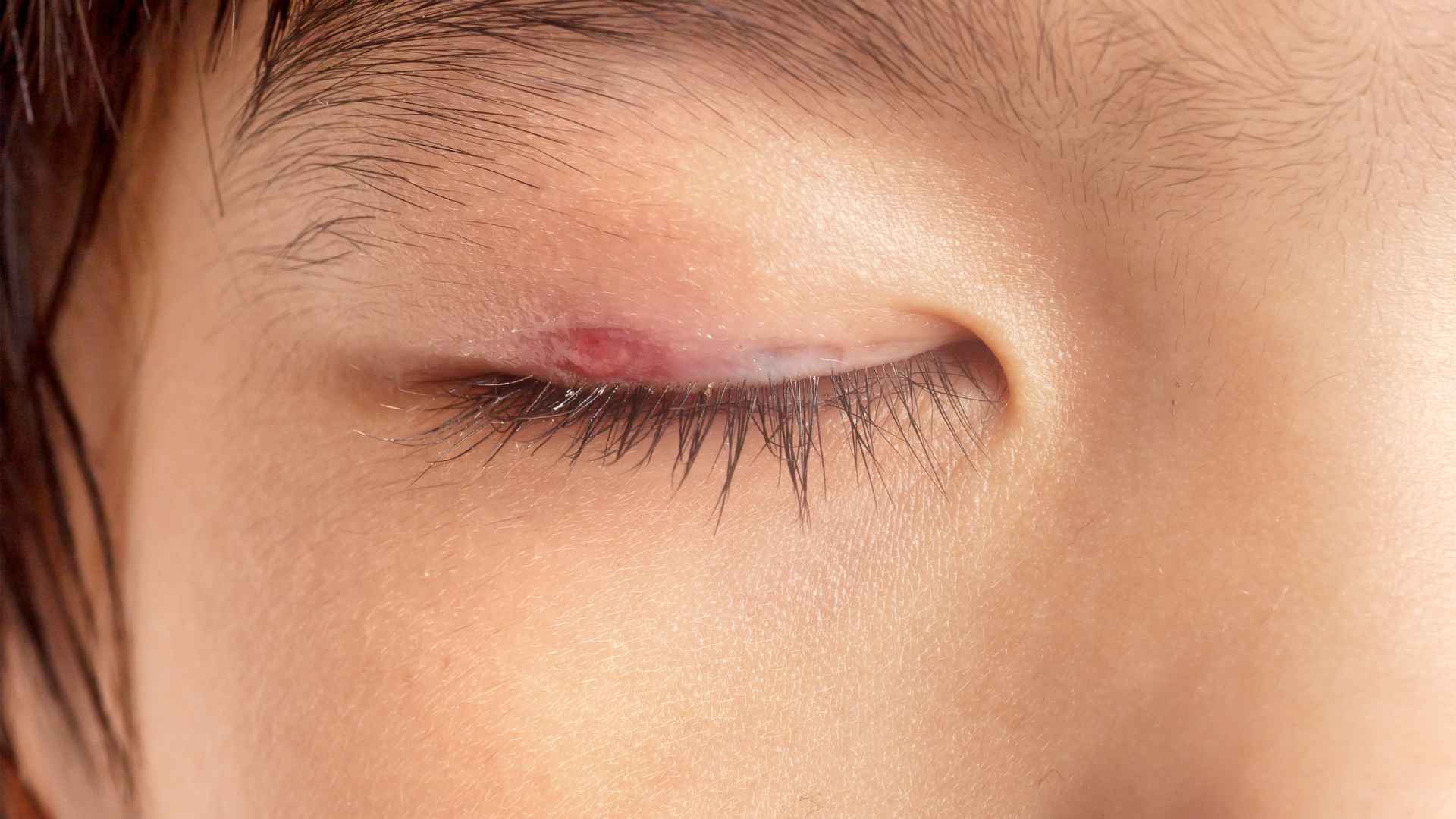
What Happens If You Pop a Stye? | St. George Eye Center
A sore, swollen bump on your eyelid can make popping it feel like the obvious solution. It seems similar to a pimple, and the instinct to squeeze it and get it over with is understandable. Doing this to a stye, however, can turn a minor issue into a bigger one, sometimes considerably bigger.
At St. George Eye Center, we see the consequences of this fairly often. This guide explains exactly why popping a stye at home carries real risk, what tends to happen when people try it anyway, and what to do instead if a stye is bothering you.
Why a Stye Is Not the Same as a Pimple
A stye develops when an oil gland or eyelash follicle becomes infected with bacteria, causing localized swelling and inflammation. While it can resemble a pimple in appearance, the eyelid is a very different structure from the rest of the facial skin.
The eyelid contains a dense network of blood vessels, delicate tissue, and glands positioned close together. This anatomy means that manipulating an infection in this area carries more risk than doing the same thing to a typical facial pimple, where the surrounding tissue is more forgiving.
What Can Happen If You Pop a Stye
Squeezing or popping a stye disrupts the infection in ways that often make the situation worse rather than better.
Spreading the infection deeper. Pressing on an infected gland can push bacteria and infected material deeper into the eyelid tissue rather than releasing it outward. This can turn a contained, surface-level infection into a more extensive one that involves more of the eyelid.
Spreading infection to nearby glands. The eyelid contains many closely spaced glands along the lash line. Squeezing a stye can force bacteria into neighboring glands, potentially triggering additional styes to form in the same area shortly after the first one.
Increased swelling and pain. Rather than relieving pressure, popping a stye often causes the surrounding tissue to become more inflamed and irritated, leading to more discomfort than the original stye was causing.
Scarring. The eyelid skin is thin and delicate. Trauma from squeezing, particularly repeated attempts, can lead to visible scarring in an area where scar tissue is especially noticeable.
Risk of more serious infection. In more significant cases, disrupting an eyelid infection can allow bacteria to spread beyond the immediate area, occasionally leading to a more serious infection of the surrounding eyelid tissue that requires more aggressive treatment, including oral antibiotics or, in rare cases, more involved medical care.
Delayed healing overall. Even in milder cases, popping a stye tends to prolong the healing process rather than shorten it, since the tissue now has additional trauma to recover from on top of the original infection.
Key takeaway: Popping a stye risks pushing infection deeper, spreading it to nearby glands, causing scarring, and ultimately slowing down healing rather than speeding it up.
What to Do Instead
The good news is that effective stye care does not require any manipulation of the bump itself.
Apply warm compresses. A clean, warm washcloth held gently against the closed eyelid for 10 to 15 minutes, several times a day, encourages natural drainage without any manual pressure.
Practice good hygiene. Wash your hands before touching the area, avoid eye makeup and contact lenses until the stye heals, and use a clean cloth for each compress session.
Let it drain on its own. Most styes reach a natural head and drain by themselves once the warm compress routine has softened the blockage. This process, while sometimes slower than popping it manually, is far safer.
Be patient. Most styes resolve within one to two weeks with consistent warm compress use. Resisting the urge to speed things up manually protects you from the risks described above.
When to Seek Care Instead of Continuing to Wait
If a stye is worsening despite consistent, proper home care, or if you already attempted to pop it and are now noticing increased pain, spreading redness, or worsening swelling, it is time for a professional evaluation rather than more waiting.
Seek care promptly if you notice:
Redness or swelling spreading beyond the eyelid
Pain that is increasing rather than improving
No improvement after 10 to 14 days of consistent warm compresses
Vision changes
Fever alongside the eyelid swelling
Get It Checked Rather Than Risk It
If your stye is worsening, especially if you have already tried to pop it and things are not improving, do not wait through more uncertainty. St. George Eye Center offers walk-in urgent eye care, with no appointment needed and experienced providers who can treat the infection properly and help prevent further complications.
Visit St. George Eye Center to learn more, or contact us if you have questions about a stye that is not healing the way it should.
