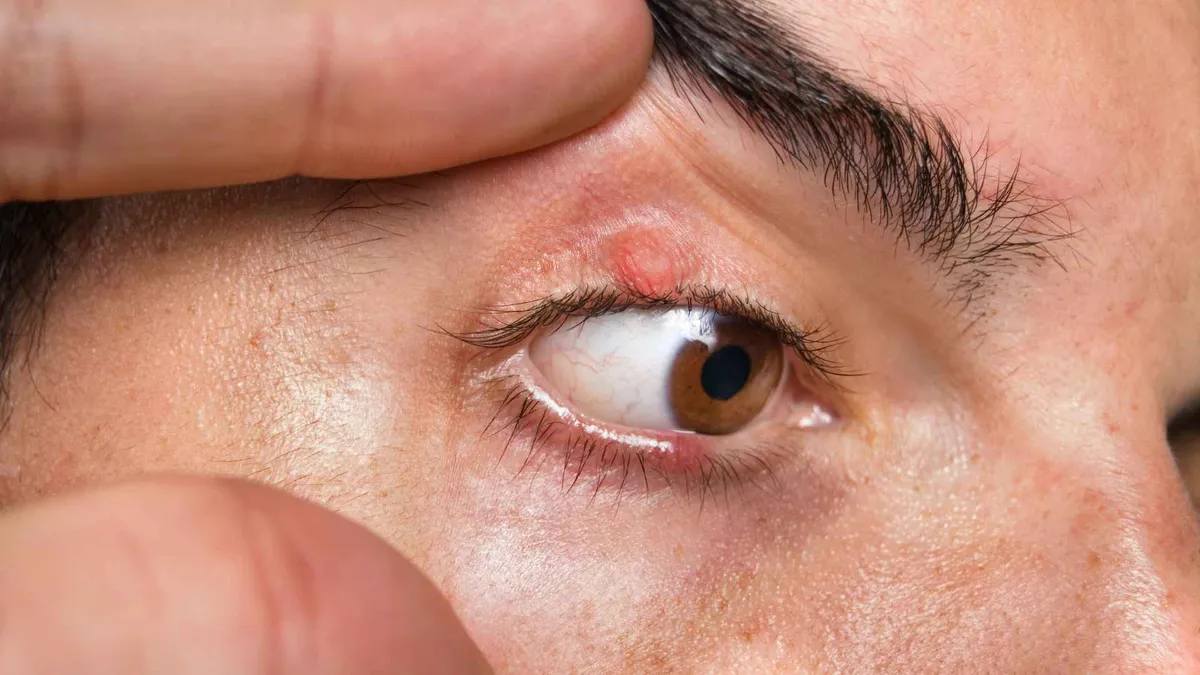
Why Do Some People Get Styes Over and Over?
One stye is annoying but forgettable. A third or fourth stye in the span of a few months is a different experience entirely, and it usually means something more is going on than simple bad luck. Recurring styes are rarely random. In most cases, an underlying condition is quietly setting the stage for each new one, even after the last stye has fully healed.
At St. George Eye Center, patients dealing with repeat styes are one of the more common reasons for a dedicated eyelid evaluation. This guide explains the most frequent underlying causes behind recurring styes and why an actual diagnosis tends to work far better than treating each new stye as an isolated event.
Why a Single Stye Is Different From Recurring Styes
A single, occasional stye often traces back to a specific moment of poor hygiene, like touching the eyes with unwashed hands or sleeping in eye makeup. Treating that one instance with warm compresses and moving on is a completely reasonable response.
Recurring styes tell a different story. When new styes keep appearing, whether in the same spot or different areas of the eyelid, the pattern points toward an ongoing condition that keeps creating the right environment for infection, rather than a one-time lapse in hygiene.
Common Underlying Causes of Recurring Styes
Several specific conditions are frequently behind chronic or repeated stye formation.
Blepharitis
Blepharitis is a chronic inflammation of the eyelid margins, and it is one of the most common underlying drivers of recurring styes. When the eyelid margin stays inflamed on an ongoing basis, the glands along the lash line become more prone to blockage and bacterial overgrowth, creating repeated opportunities for a new stye to form.
Blepharitis often causes its own set of symptoms alongside the styes, including redness along the lash line, crusting or flaking at the base of the eyelashes, and a persistent gritty or burning sensation. Because blepharitis is a chronic condition, it typically requires ongoing management rather than a one-time treatment.
Poor Eyelid Hygiene Habits
While a single stye can result from an isolated hygiene lapse, consistently inadequate eyelid hygiene can create a pattern of repeated infections. This includes habitually sleeping in eye makeup, using old or expired cosmetics, not cleaning the eyelid margins regularly, or frequently touching the eyes with unwashed hands.
Unlike blepharitis, which involves an underlying inflammatory process, this cause is more directly behavioral, and adjusting daily habits can make a meaningful difference. That said, persistent hygiene-related recurrence sometimes reveals an underlying condition like blepharitis that was contributing all along.
Demodex Mites
Demodex mites are microscopic organisms that live naturally in hair follicles, including the eyelash follicles, for most adults. In small numbers, they typically cause no problems at all. When their population grows too large, however, they can contribute to eyelid inflammation and gland blockage, creating conditions that favor recurring styes.
Demodex-related eyelid issues often present alongside other blepharitis symptoms, including crusting specifically described as cylindrical dandruff around the base of the eyelashes. This cause is frequently underdiagnosed, since it is not something that shows up on a standard exam without a provider specifically looking for the signs.
Rosacea
Rosacea is a chronic skin condition that most people associate with facial redness and flushing, but it frequently affects the eyelids as well, a presentation sometimes called ocular rosacea. This form of rosacea causes inflammation of the eyelid margins and oil glands, creating a pattern very similar to blepharitis and significantly raising the likelihood of recurring styes.
Patients with known rosacea, even if it primarily affects the skin rather than the eyes, should mention this history during an eyelid evaluation, since it directly informs both diagnosis and treatment planning.
Key takeaway: Recurring styes are usually driven by an ongoing condition, most often blepharitis, Demodex overgrowth, or rosacea, rather than repeated bad luck or isolated hygiene lapses.
Why Treating Each Stye Individually Does Not Solve the Pattern
It is easy to fall into a cycle of treating each new stye with warm compresses, watching it resolve, and moving on, only to have another one appear weeks or months later. This approach manages the symptom in front of you but does nothing to address whatever underlying condition keeps creating new infections.
Warm compresses and good hygiene remain useful for managing an active stye regardless of the cause. But if the same pattern keeps repeating, continuing to treat each occurrence individually, without ever addressing the root cause, means the cycle is likely to continue indefinitely.
What a Real Evaluation Involves
Identifying the underlying cause of recurring styes requires an eyelid-focused evaluation that goes beyond checking the current stye itself. Our doctors examine the eyelid margins closely for signs of blepharitis, check for evidence of Demodex involvement, and take a full history that includes any related skin conditions like rosacea.
This detailed look is what separates a real diagnosis from repeated guesswork. Many patients dealing with chronic styes have an underlying meibomian gland or eyelid margin issue that also affects the overall health of their tear film, which is why recurring styes are frequently connected to broader concerns evaluated through our dry eye care.
Treatment Approaches for Underlying Causes
Once the underlying cause is identified, treatment shifts from managing individual styes to addressing the condition driving them.
For blepharitis: Consistent eyelid hygiene routines, warm compresses, and in some cases prescription treatment to reduce inflammation and bacterial load.
For Demodex overgrowth: Specific eyelid cleansing treatments designed to reduce mite populations, often used consistently over several weeks.
For rosacea-related eyelid inflammation: A combination of eyelid hygiene, anti-inflammatory treatment, and coordination with dermatologic care when appropriate.
For hygiene-related recurrence: Practical changes to daily habits, along with monitoring to confirm whether an underlying condition is also contributing.
Most patients see a meaningful reduction in how often new styes appear once the actual underlying cause is being managed consistently, rather than continuing to treat each new occurrence as its own separate event.
Stop the Cycle With a Real Evaluation
If you have dealt with more than one or two styes in recent months, repeating the same home remedy each time is unlikely to break the pattern. An eyelid evaluation can identify what is actually driving the recurrence and put you on a treatment plan aimed at the cause rather than the symptom.
Visit St. George Eye Center to learn more about our approach to eyelid health, or contact us to schedule an evaluation and finally get answers about why these keep coming back.