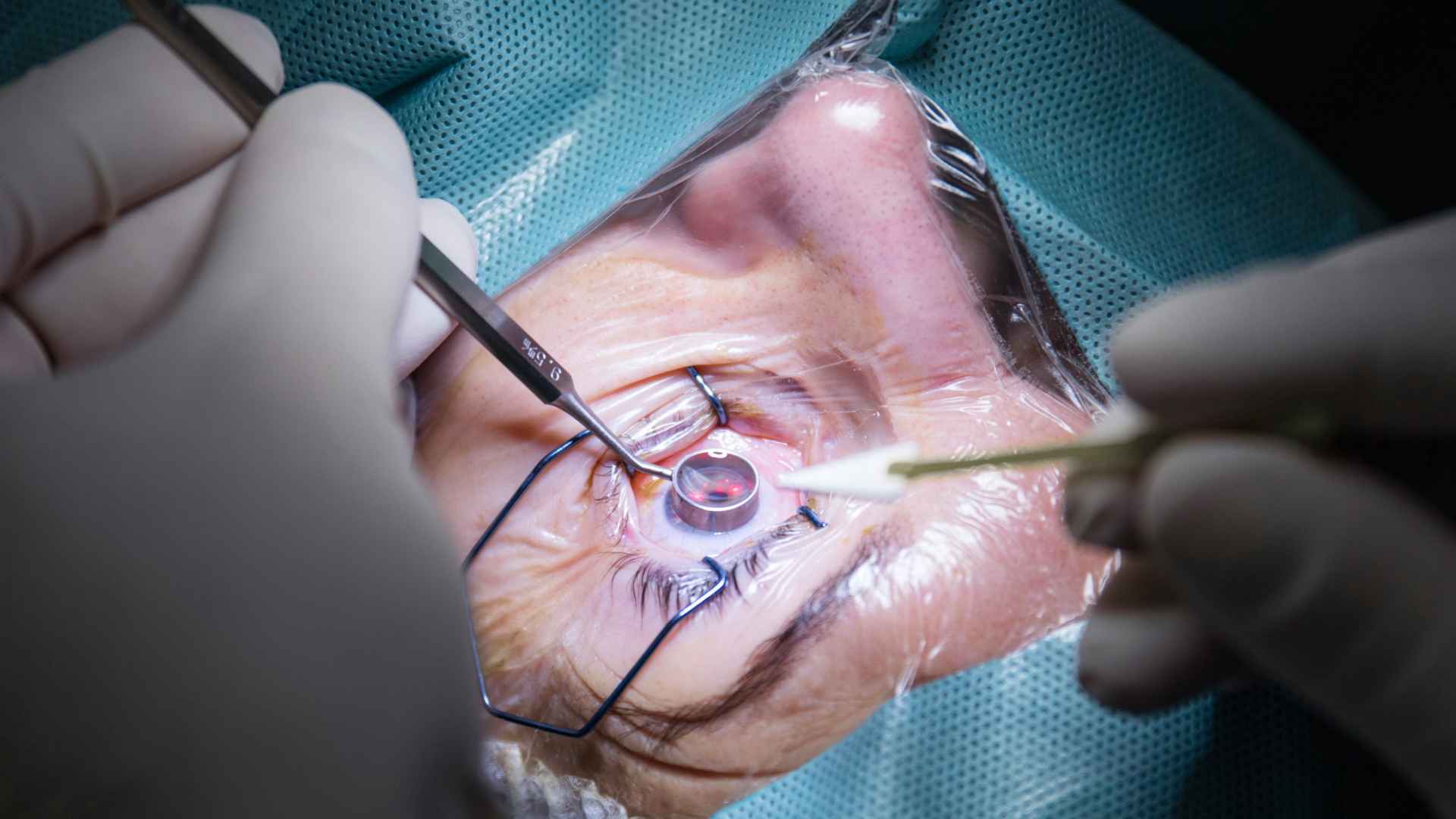
Dropless Cataract Surgery | St. George Eye Center
Recovering from cataract surgery usually comes with a strict eye drop schedule, often multiple bottles used several times a day for weeks. For many patients, that routine is manageable. For others, particularly those with arthritis, memory concerns, or simply a busy schedule, it becomes one of the most stressful parts of an otherwise straightforward procedure. Dropless cataract surgery was developed specifically to address that challenge.
At St. George Eye Center, we discuss dropless options with patients who are concerned about managing a traditional post-surgical drop regimen. This guide explains what makes cataract surgery dropless, how the approach works, and who tends to benefit most from it.
What Makes Cataract Surgery Dropless
Traditional cataract surgery typically requires a combination of antibiotic and anti-inflammatory eye drops for several weeks after the procedure. These drops help prevent infection and manage inflammation while the eye heals.
Dropless cataract surgery replaces some or all of that external drop regimen with medication delivered directly during the procedure itself. Instead of relying on the patient to administer drops correctly and consistently at home, the medication is placed inside the eye at the time of surgery, where it is released gradually as healing takes place.
The term dropless can be a bit of a simplification. Some patients still use a limited course of drops afterward, particularly if additional inflammation control is needed. The goal is a significant reduction in the drop burden, not necessarily a complete elimination of it in every case.
How the Dropless Approach Works
There are a few methods used to reduce reliance on post-surgical drops, and the right approach depends on the specific technique your surgeon uses.
Intraocular medication injection: During surgery, a compounded antibiotic and steroid medication can be injected directly into the eye. This places the medication exactly where it is needed, allowing it to work gradually over the following weeks without requiring the patient to apply drops at home.
Sustained-release implants: Some dropless approaches use a small, dissolvable implant containing steroid medication that is placed in the eye during surgery. The implant releases medication slowly over time and does not need to be removed, since it dissolves naturally as the healing process completes.
Combination approaches: In some cases, surgeons use a dropless approach for one category of medication, such as steroids, while still prescribing a short course of drops for the other, such as antibiotics, based on the individual patient's needs.
Because the medication is delivered directly during the procedure, there is no window of time where the patient needs to remember doses, worry about proper technique, or manage multiple bottles with different schedules.
Key takeaway: Dropless surgery shifts the responsibility for medication delivery from the patient's daily routine to the surgical procedure itself.
Potential Benefits for Patients
The dropless approach was developed to solve real, practical problems that many cataract patients face during recovery.
Fewer barriers to proper healing. Patients who struggle with drop technique, whether due to arthritis, tremor, or difficulty aiming drops accurately, no longer need to rely on getting that technique right multiple times a day.
Reduced risk of missed doses. A drop schedule that spans several weeks with multiple medications is easy to lose track of, particularly for patients managing several other daily medications already.
Lower cost burden in some cases. While there are considerations on both sides depending on insurance coverage, dropless approaches can reduce or eliminate the cost of purchasing multiple prescription drop bottles after surgery.
Less day-to-day stress during recovery. Removing the pressure of a strict, multi-week medication schedule allows some patients to focus more on rest and healing rather than tracking doses.
Consistent medication delivery. Because the medication is placed directly during surgery, it does not depend on how well or how consistently a patient applies drops at home.
For patients who have found postoperative drop regimens overwhelming in the past, whether for themselves or a family member, this approach can meaningfully ease the recovery experience.
Who Might Not Be a Good Candidate
Dropless cataract surgery is a valuable option, but it is not automatically the right choice for every patient. A few factors can influence candidacy.
Certain eye health conditions. Some patients with specific pre-existing eye conditions may need a more customized medication plan that traditional drops allow for with greater flexibility.
Individual healing response. Some patients may still need supplemental drops afterward if their eye shows more inflammation than expected during recovery, regardless of the dropless technique used.
Surgeon and practice availability. Not every dropless technique is available at every practice, and the specific method used can vary based on your surgeon's training and preference.
Insurance and cost factors. Coverage for dropless techniques varies, and it is worth discussing the specific cost implications for your individual insurance plan before deciding.
A thorough evaluation of your eye health, medical history, and personal circumstances is the only reliable way to determine whether a dropless approach makes sense for your surgery.
What to Expect During Your Consultation
If you are interested in dropless cataract surgery, your consultation is the right time to bring it up directly. Our doctors will review your eye health, discuss which dropless methods may apply to your case, and explain what a modified drop routine, if any, might still look like afterward.
Being upfront about concerns you have with managing a traditional drop schedule, whether related to dexterity, memory, cost, or simply personal preference, helps your surgical team build a recovery plan suited to your actual situation rather than a generic default.
Talk to Our Team About Your Cataract Surgery Options
Cataract surgery recovery should fit your life, not add unnecessary stress to it. Dropless techniques offer a meaningful alternative for patients who struggle with traditional post-surgical drop regimens, though the right approach still depends on your individual eye health and circumstances.
Our cataracts team at St. George Eye Center can walk you through whether a dropless approach fits your situation. Visit St. George Eye Center to learn more about our cataract surgery options, or contact us to schedule a consultation and discuss the recovery plan that works best for you.
