Dry Eye Causes & Aging | St. George Eye Center
What Causes Dry Eyes as You Get Older?
That gritty, irritated feeling in your eyes can turn an ordinary day into an uncomfortable one. Maybe your eyes sting while you read, water unexpectedly, or feel tired in the afternoon. These sensations are easy to brush off, but they often point to something worth understanding: dry eye. As we age, this condition becomes far more common, affecting both how comfortable our eyes feel and how clearly we see.
At St. George Eye Center, we help patients across Southern Utah understand why dry eye happens and what can be done about it. Knowing the causes behind your symptoms is the first step toward lasting relief. This guide explains how aging affects your eyes, which factors worsen dry eye, and the treatment options that can help you feel like yourself again.
What Is Dry Eye Syndrome?
Dry eye syndrome happens when your eyes do not produce enough tears, or when the tears they make do not work the way they should. Tears do more than keep your eyes moist. They form a protective layer called the tear film that shields your eye's surface, washes away debris, and keeps your vision sharp.
When this delicate system falls out of balance, the surface of your eye becomes irritated and inflamed. The result is the burning, scratchy, or watery sensation that so many people recognize. For many adults, this becomes an ongoing concern rather than an occasional annoyance.
How Tear Production Changes With Age
One of the leading reasons behind dry eyes that come with aging is a natural decline in tear production. The glands responsible for making tears become less active over time. By the time many adults reach their fifties and sixties, their eyes simply do not produce the same volume of tears they once did.
Changes in Tear Quality and Tear Film Stability
Quantity is only part of the picture. The quality of your tears matters just as much. A healthy tear film has three layers: oil, water, and mucus. The oily layer keeps tears from evaporating too quickly. As you age, the glands that produce this oil can become clogged or less efficient, allowing tears to dry up faster than they should. When the tear film loses its stability, dry spots form on the eye, and discomfort follows.
Why Older Adults Are More Prone to Chronic Dry Eye
Aging rarely affects the eyes in just one way. Reduced tear production, poorer tear quality, and a greater likelihood of taking certain medications often occur together. This combination explains why chronic dry eye becomes so common later in life. When symptoms linger for months and keep returning, the condition is considered chronic, and it usually requires ongoing management rather than a quick fix.
Common Symptoms of Dry Eye
Dry eye does not always feel the way you might expect. Watery eyes, for example, are a frequent and surprising symptom. Common signs include:
A stinging, burning, or scratchy feeling
The sensation that something is stuck in your eye
Redness or irritation
Sensitivity to light
Blurry vision that improves when you blink
Stringy mucus around the eyes
Eyes that water excessively
If these symptoms sound familiar and continue over time, they deserve attention from an eye care professional.
Medications That Can Contribute to Dry Eyes
Many adults are surprised to learn that everyday prescriptions rank among the most common dry eye causes. As we age, we tend to take more medications, and several of them can reduce tear production as a side effect.
Common Culprits
Antihistamines: These allergy medications dry out mucous membranes, including the eyes.
Blood pressure medications: Diuretics and beta-blockers can lower tear output.
Antidepressants: Certain mood and anxiety medications affect tear production.
Other prescriptions: Decongestants, hormone therapies, and some acne treatments may also play a role.
If you suspect a medication is affecting your eyes, do not stop taking it on your own. Talk with your doctor and your eye care provider to find a balanced solution.
Environmental Factors That Make Dry Eye Worse
Where you live and how you spend your day can have a major impact on your comfort. Southern Utah's dry, sunny climate is beautiful, but the low humidity can pull moisture from your eyes faster than you realize.
Other environmental triggers include:
Screen use: Staring at phones and computers reduces how often you blink, which dries the eye surface.
Air conditioning and heating: Both lower indoor humidity.
Wind: Gusty desert conditions speed up tear evaporation.
Smoke exposure: Smoke from fires or tobacco directly irritates the eyes.
Small adjustments, such as blinking more deliberately during screen time and using a humidifier, can make a noticeable difference.
Health Conditions Linked to Dry Eye
Sometimes dry eye is a signal of a broader health issue. Several conditions are closely tied to ongoing eye dryness.
Systemic and Eye-Related Conditions
Diabetes: This condition can affect the nerves that regulate tear production.
Autoimmune disorders: Diseases like Sjogren's syndrome, rheumatoid arthritis, and lupus often involve significant dryness.
Eyelid conditions: Blepharitis and other inflammation can disrupt the oil glands along the lash line.
Hormonal changes: Shifts in hormone levels strongly influence tear production.
Why Women Are Often More Affected After Menopause
Hormones play a powerful role in eye health, which is why women frequently experience more dry eye after menopause. The drop in estrogen and other hormones during this stage affects the glands that produce tears and oils. As a result, many postmenopausal women notice a sharp increase in dryness, irritation, and overall eye discomfort.
When to See an Eye Doctor
Reaching for over-the-counter drops can offer temporary relief, but it is not always enough. If your symptoms persist, worsen, or interfere with daily activities like reading or driving, it is time for a professional evaluation. Relying only on store-bought drops can mask a problem that needs targeted treatment.
The good news is that no referral is needed to schedule an appointment with us. Our doctors use advanced diagnostic tools to pinpoint the exact cause of your dry eye, which makes treatment far more effective. An accurate diagnosis means you spend less time guessing and more time feeling better.
Treatment Options for Dry Eye
While dry eye is often a chronic condition, it can usually be managed successfully with the right care. Treatment is rarely one-size-fits-all, and your plan will depend on what is causing your symptoms.
Common Approaches
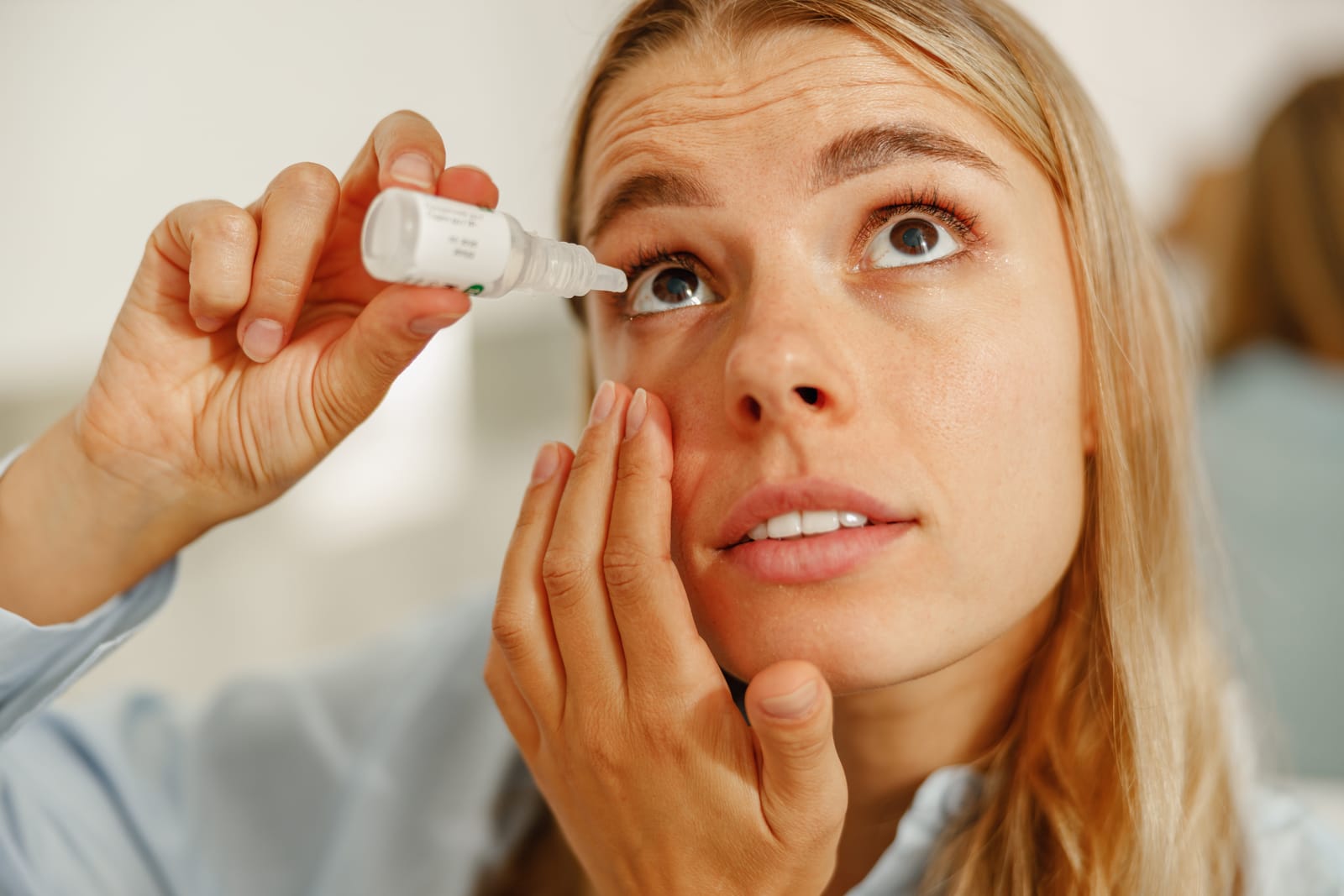
Artificial tears: Lubricating drops can ease mild symptoms and supplement your natural tears.
Prescription medications: Certain drops reduce inflammation and help your eyes produce more tears.
Lifestyle changes: Adjusting screen habits, staying hydrated, using a humidifier, and protecting your eyes from wind all help.
In-office treatments: Advanced therapies can address blocked oil glands and improve tear film stability for longer-lasting relief.
You can learn more about evaluation and care on our dry eye page, where we explain how we tailor treatment to each patient.
Find Lasting Relief From Dry Eye
Dry eye may become more common with age, but living with constant discomfort is not something you simply have to accept. With the right diagnosis and a personalized treatment plan, most people find meaningful, lasting relief.
If your eyes feel dry, irritated, or tired more often than they should, we are here to help. Contact St. George Eye Center to schedule an evaluation and take the first step toward clearer, more comfortable vision.
