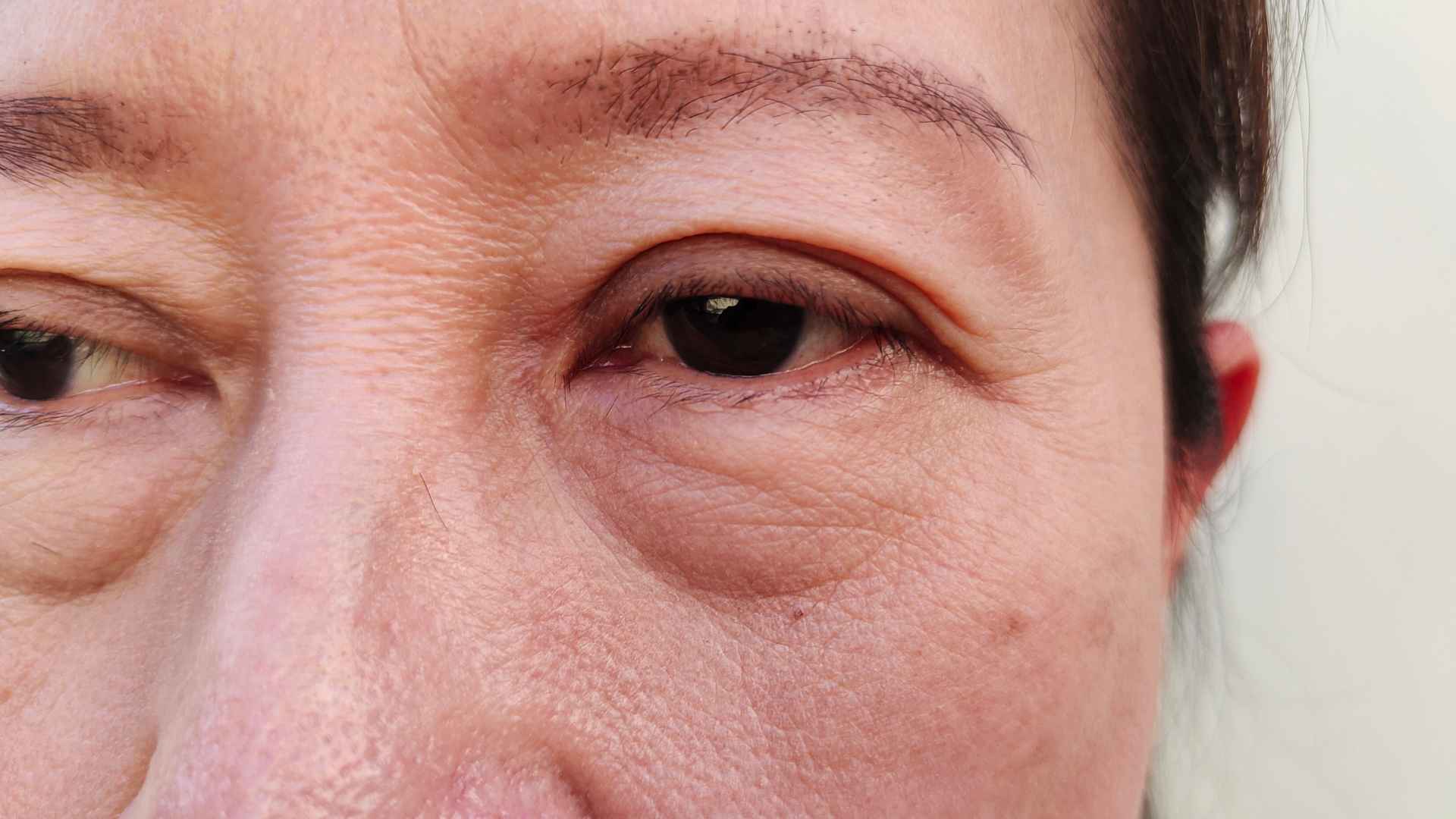
Ptosis: Causes and Treatment for Drooping Eyelids | St. George Eye Center
A drooping upper eyelid is easy to dismiss as a sign of tiredness or simply getting older. Sometimes that assumption is correct. Other times, the drooping points to a specific condition called ptosis, one that can gradually affect vision if it goes unaddressed. Understanding the difference matters, both for your comfort and for your long-term eye health.
At St. George Eye Center, we evaluate ptosis regularly, distinguishing between cases that are purely cosmetic and those that carry real medical consequences. This guide explains what ptosis is, the most common causes behind it, and when treatment moves from optional to necessary.
What Is Ptosis?
Ptosis refers to the drooping of the upper eyelid, ranging from a slight, barely noticeable lowering to a significant droop that partially or fully covers the pupil. It can affect one eye or both, and the severity can vary considerably from person to person.
The eyelid's position depends on a small muscle called the levator muscle, along with its surrounding tendon structure. This muscle is responsible for lifting the eyelid throughout the day. When the levator muscle weakens, stretches, or becomes disconnected from the eyelid tissue it supports, the eyelid can no longer hold its normal position, and ptosis develops.
Common Causes of Ptosis
Ptosis is not a single condition with one cause. Several distinct factors can lead to the same visible result.
Age-Related Ptosis
The most common form of ptosis develops gradually with age. Over time, the levator muscle's tendon can stretch or separate slightly from the eyelid tissue, a natural part of the aging process for many people. This type, sometimes called involutional ptosis, tends to progress slowly and affects both upper eyelids, though not always evenly.
Muscle Weakness or Neurological Causes
Ptosis can also result from underlying muscle or nerve conditions. Certain neuromuscular conditions directly weaken the muscles responsible for eyelid movement, sometimes affecting the eyelid alongside other muscles in the body. In some cases, ptosis develops after an injury to the nerve that controls the eyelid muscle, or as a result of certain medical conditions affecting nerve function more broadly. Because these causes can point to a broader health issue, ptosis with a sudden onset or with other neurological symptoms deserves prompt medical evaluation.
Congenital Ptosis
Some people are born with ptosis, a result of the levator muscle not developing properly before birth. Congenital ptosis can affect one or both eyes and varies in severity. In children, this form of ptosis carries particular importance, since a significantly drooping eyelid can interfere with normal visual development if it is not addressed at the right time.
Trauma or Prior Surgery
Eyelid injuries, previous eye surgeries, or long-term contact lens wear can sometimes affect the levator muscle or its surrounding tissue, leading to ptosis that develops after the fact rather than gradually over time.
Key takeaway: Ptosis can stem from aging, muscle or nerve conditions, congenital development, or prior trauma, and the underlying cause shapes both the urgency and the treatment approach.
How Ptosis Differs From Cosmetic Eyelid Concerns
Drooping eyelid skin is often confused with ptosis, but the two are not the same condition. This distinction matters for both diagnosis and treatment.
Dermatochalasis, or excess eyelid skin, involves loose or sagging skin on the upper eyelid, often related to aging and loss of skin elasticity. The eyelid margin itself, meaning the edge where the lashes are, typically remains in a normal position. The concern is primarily about excess skin, not the eyelid's structural position.
Ptosis, by contrast, involves the actual position of the eyelid margin itself. The eyelid sits lower than it should because of a muscle or tendon issue, regardless of how much skin is present.
In many patients, both conditions occur together, which can make self-diagnosis difficult. A proper eyelid exam is the only reliable way to determine whether excess skin, true ptosis, or a combination of both is responsible for the appearance and any functional symptoms.
When Ptosis Becomes Medically Necessary to Treat
Not every case of ptosis requires treatment. Mild ptosis that does not affect vision or daily function can often be monitored rather than treated surgically. Several signs, however, indicate that treatment has moved from a cosmetic consideration to a medical necessity.
Interference with peripheral or upward vision. When the drooping eyelid begins to block part of the visual field, particularly the upper or peripheral vision, treatment becomes medically indicated.
Compensatory head or brow posture. Some patients unconsciously tilt their head back or raise their eyebrows throughout the day to see around the drooping lid, which can lead to chronic neck strain and headaches over time.
Progressive worsening. Ptosis that continues to worsen over time, rather than remaining stable, often warrants earlier intervention before vision is significantly affected.
Risk to visual development in children. In pediatric cases, a droopy eyelid that blocks the visual axis can interfere with normal vision development and requires timely evaluation and treatment.
Documented visual field loss. Formal visual field testing can measure and confirm how much a drooping eyelid is affecting a patient's field of vision, which supports both diagnosis and, when applicable, insurance coverage for treatment.
When any of these functional concerns are present, ptosis repair is considered medically necessary rather than elective, and insurance coverage often reflects that distinction.
How Ptosis Is Treated
Treatment for ptosis is typically surgical, since the underlying issue involves the physical position and function of the levator muscle and its tendon. The specific surgical approach depends on the cause and severity of the ptosis, as well as how well the levator muscle is still functioning.
In general, surgery involves tightening or reattaching the levator muscle or its tendon to restore a more normal eyelid position. For patients where excess skin is also present, this can sometimes be addressed at the same time. Recovery generally involves some swelling and bruising in the first week or two, with the eyelid position continuing to settle over the following weeks.
Because eyelid anatomy and the underlying cause vary so much from patient to patient, the right surgical approach is determined individually rather than through a one-size-fits-all technique.
Get an Evaluation for Drooping Eyelids
A drooping eyelid deserves a proper evaluation, both to identify the underlying cause and to determine whether treatment is a cosmetic choice or a medical necessity. Our oculoplastics specialists, including our doctors, have extensive experience diagnosing ptosis and distinguishing it from related eyelid concerns.
Visit St. George Eye Center to learn more about our oculoplastic services, or schedule an evaluation with our team if you have noticed a drooping eyelid affecting your vision or daily comfort.
